Why High Performers Burn Out! What Leaders Can Do About It
Every organization has them.
The dependable employees.
The ones leaders trust.
The people who step up without being asked, solve problems quickly, and consistently carry the weight when others don’t.
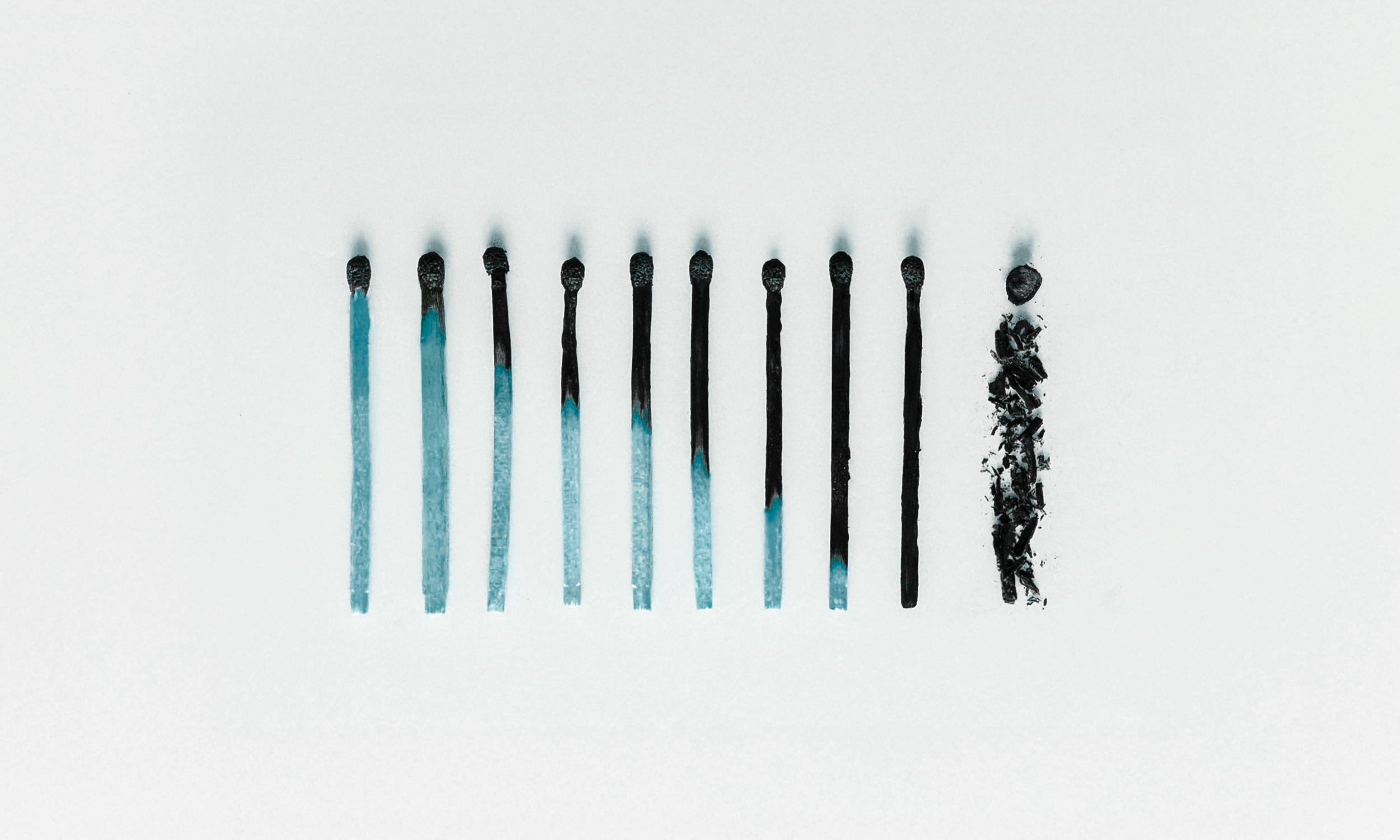
And over time, many of those same employees quietly burn out.
Not because they’re weak.
Not because they can’t handle pressure.
But because reliability often becomes an invisible burden.
Across the organizations I work with, especially in high-impact industries like construction, trucking, and property development, I see the same pattern repeatedly:
The most reliable people become the most relied upon.
And eventually, that imbalance catches up to them.
The Hidden Problem Leaders Often Miss
Reliable employees rarely complain first.
Instead, leaders start noticing:
frustration
emotional withdrawal
reduced patience
lower engagement
negative attitude shifts
exhaustion
or even sudden resignation
And many leaders are caught off guard because they thought:
“They’ve always handled pressure well.”
But reliability does not mean unlimited capacity.
Strong performers can quietly move from:
committed
tooverloaded
toemotionally disconnected
…long before anyone notices.
Why This Happens
In many workplaces, reliability gets rewarded with:
more responsibility
more problem-solving
more pressure
more emotional load
Leaders unintentionally lean hardest on the people they trust most.
The result?
Reliable employees begin carrying:
weak accountability from others
unresolved team issues
leadership gaps
constant urgency
and unrealistic expectations
At some point, high performers stop feeling valued and start feeling used.
That’s where burnout begins.
This Isn’t Just a Workload Problem
“Burnout is not always about working too many hours.
Often, it’s about working in ways that continuously drain a person’s natural strengths.”
This is where strengths-based leadership becomes incredibly important.
When leaders understand how people naturally think, contribute, and perform, they can recognize burnout earlier—and lead more intentionally.
What Strengths Can Reveal About Burnout
Not all employees burn out the same way.
Different strengths experience pressure differently.
Employees with Achiever
May push themselves relentlessly and struggle to slow down. They often tie their value to productivity and can quietly exhaust themselves trying to keep standards high.
Employees with Responsibility
Often carry emotional weight for the team. They feel deeply accountable and may take on more than they should because they don’t want others to fail.
Employees with Relator
Burn out when trust erodes or relationships become strained. Team tension affects them more deeply than leaders often realize.
Employees with Strategic
Become frustrated when inefficiency, poor planning, or repeated problems waste time and energy.
Employees with Empathy
Can become emotionally depleted from constantly absorbing the stress, frustration, or negativity around them.
Burnout is not always loud.
Sometimes it looks like:
disengagement
cynicism
reduced initiative
emotional shutdown
or simply doing the bare minimum after years of giving maximum effort
What Strong Leaders Do Differently
Strong leaders don’t wait until reliable employees break down.
They pay attention to:
emotional shifts
energy changes
frustration patterns
increased withdrawal
or signs someone is carrying too much
Most importantly, they stop assuming:
“They’ll be fine.”
Because the people who appear strongest are often the least likely to ask for help.
How Leaders Can Reduce Burnout on Strong Performers
1. Stop Rewarding Reliability With Imbalance
Don’t continually give your strongest employees more because they’re capable.
Capability does not equal endless capacity.
2. Recognize Strengths Specifically
Generic appreciation is not enough.
Reliable employees need to know:
what they contribute
why it matters
and how their strengths positively impact the team
Specific recognition reinforces value before resentment builds.
3. Develop Accountability Across the Team
Strong performers burn out faster when they constantly compensate for weak performance around them.
Leaders must address low ownership early not leave reliable employees carrying the burden.
4. Understand What Energizes and Drains People
Not every employee is drained by the same things.
Some are drained by conflict.
Others by chaos.
Others by lack of appreciation.
Others by constant interruption or inefficiency.
Strengths help leaders identify these patterns before burnout escalates.
Your most reliable employees are often the least likely to tell you they’re struggling.
They keep producing.
Keep helping.
Keep carrying.
Until one day, they stop.
“Leadership is not just about correcting poor performance.
It’s also about protecting and sustaining your strongest people.”
Because when reliable employees burn out, organizations don’t just lose productivity.
They lose trust.
Momentum.
Culture.
And often, the very people holding everything together.
What do you think?
Who on your team has become “the dependable one” and what might they be carrying that nobody is talking about?
If your strongest employees are beginning to show signs of frustration, exhaustion, or disengagement, don’t ignore it.
Burnout rarely happens overnight and leaders have more influence on preventing it than they realize.
At Foundation 34, I help leaders understand how strengths impact performance, pressure, communication, and engagement so they can build healthier, more sustainable teams without lowering standards.
If you’re ready to lead your people more intentionally and reduce the hidden cost of burnout on your team, let’s connect.