
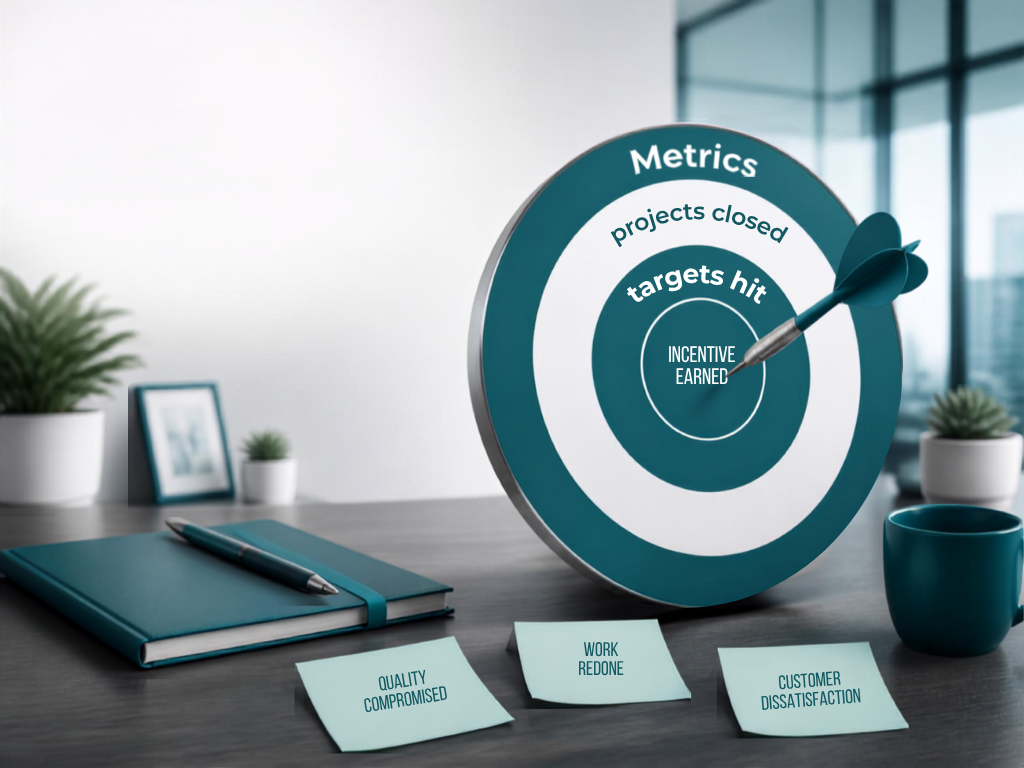
When Incentives Drive the Wrong Results
Cash incentives and performance rewards can motivate employees but they can also drive unintended behaviours. When organizations reward speed, volume or metrics without considering quality, customer outcomes and teamwork, they may get more of the number but less of the result they actually need. Learn how aligning incentives with organizational outcomes and understanding what motivates employees through CliftonStrengths® can create more meaningful and sustainable performance.

Behind the Performance Problem
When an employee’s performance slips, it can be easy to move straight to correction or discipline. But what leaders see isn’t always the whole story.
Explore how looking behind the performance and using CliftonStrengths to better understand how people naturally think, work, and respond to pressure, can lead to better coaching, stronger accountability, and improved performance.

The Leadership Pressure Nobody Talks About
Leadership isn't just about making decisions, it's about carrying responsibilities that few people ever see. Behind every confident leader is often an invisible pressure to solve problems, support others, and keep moving the organization forward. In this article, discover why understanding your CliftonStrengths can help leaders manage that pressure, build resilience, and develop leadership capacity that lasts.

Your Company Is Growing. Is Your Leadership Growing With It?
As organizations grow, leadership becomes more complex. More people, larger projects, and greater responsibility require leaders to do more than manage operations, they must build the capacity to lead others effectively. Discover why leadership development is essential for sustainable growth and how strengthening leadership capacity can improve performance, accountability, and long-term success.

Why Good Employees Leave Over Time, Not Overnight
Good employees rarely leave because of one bad day, they leave after months of feeling unseen, underutilized, or disconnected. Drawing from years of experience as a senior Human Resources leader, this article explores the real question leaders should be asking: Why did they start thinking about leaving in the first place? Discover how strengths-based leadership can help you recognize the early warning signs, improve engagement, and retain your best people before they start looking elsewhere.

When Leadership Becomes Constant Firefighting
Many leaders spend their days solving problems instead of preventing them. While constant firefighting can feel productive, it often creates dependency, burnout, and missed opportunities to develop the team. In this article, discover how a strengths-based leadership approach helps leaders shift from reacting to every crisis to building capable, accountable teams that solve problems before they become emergencies.

Compliance Gets You Through the Day. Commitment Builds the Future.
Are your employees simply following the rules, or are they genuinely committed to your organization's success? While compliance keeps work moving, commitment drives engagement, innovation, accountability, and long-term performance. In this blog, discover how strengths-based leadership helps leaders move beyond managing behaviour to understanding what truly motivates their people, creating teams that don't just meet expectations, but choose to give their best every day.

The Hidden Cost of Carrying Your Team
If leadership feels heavier than ever, you may be carrying more than your share. Many leaders unknowingly create team dependency by solving problems, providing constant reminders, and taking ownership of work that belongs to others. Learn how strengths-based leadership helps leaders shift from carrying their team to developing confident, accountable employees who take ownership of results.

The Leadership Skill That Changes Performance Conversations
Many leaders avoid performance conversations because they fear conflict or resistance. Yet the ability to have productive performance discussions is one of the most important leadership skills. Discover how leading through a strengths-based lens can improve accountability, engagement, and performance.

The Hidden Truth About Difficult People, Situations & Conversations at Work
A full classroom and waiting list for a recent Winnipeg Construction Association course revealed a common workplace challenge: handling difficult people, situations, and conversations. Discover how a strengths-based approach using CliftonStrengths can help leaders and employees build self-awareness, improve communication, and approach challenging conversations with greater confidence.

What Leaders Avoid Today Becomes a Performance Problem Tomorrow
Many employee performance problems aren't caused by difficult employees, they're caused by leadership conversations that never happen.
Discover the hidden cost of leadership avoidance and how knowing your strengths can help you as a leader build accountability, trust, and stronger performance.

Leadership Fatigue Is Real! Here’s What Can Help
Leadership fatigue and burnout are affecting leaders across every industry.
Discover how understanding and leveraging your strengths can reduce stress, increase resilience, and create a more sustainable approach to leadership.

You Can’t Build Strong Teams on Constant Reminders
Many leaders are exhausted from constantly repeating themselves, chasing follow-through, and reminding employees to do work that should already be understood. But strong teams are not built on constant reminders, they are built on clarity, accountability, ownership, and trust. In this blog, discover how strengths-based leadership helps leaders reduce dependency, improve communication, and build teams that take greater ownership without constant supervision.

Why High Performers Burn Out! What Leaders Can Do About It
Reliable employees are often the people leaders worry about the least but they may be carrying the heaviest load. Over time, constant pressure, unbalanced responsibility, and overlooked strengths can quietly lead strong performers toward frustration, disengagement, and burnout. This blog explores why high performers burn out, the warning signs leaders often miss, and how strengths-based leadership can help protect, engage, and sustain your strongest people.

The Hidden Cost of Tolerating Bad Attitudes at Work
Many leaders tolerate negative attitudes because the employee still performs. But the hidden cost to culture, morale, and team engagement is often far greater than they realize. Discover how strengths-based leadership creates accountability and healthier workplace cultures.

If You’re Tired of Repeating Yourself as a Leader, Read This
Tired of saying the same thing over and over with little change? Repetition isn’t the problem, it’s the symptom. When leaders find themselves in this cycle, something deeper is missing. Here’s how to uncover it and shift your leadership approach for better results.

Stop Chasing Accountability: What Strong Leaders Do Differently
Leaders often believe they need to push harder for accountability but what if that’s the wrong focus?
When accountability becomes a constant chase, it’s usually not the problem itself, it’s the symptom of something deeper that hasn’t been addressed.

How Do I Get My Team to Take Ownership?
Ownership isn’t something you force, it’s something you build. When leaders get clear on expectations and understand how each person naturally operates, ownership stops being a struggle and starts showing up consistently.
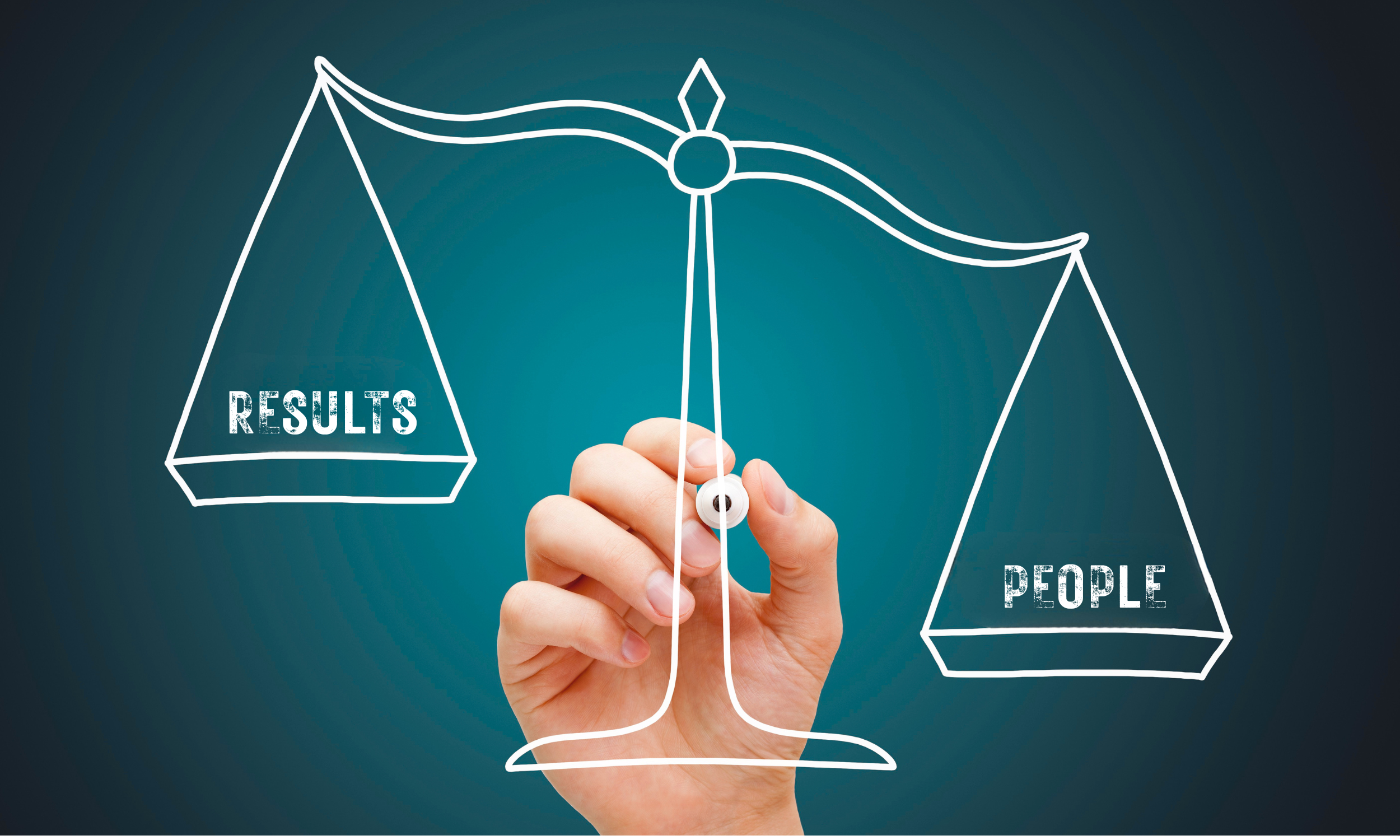
How to Hold People Accountable Without Losing Them
Accountability doesn’t have to cost you your people. Learn how to set clear expectations, address performance issues, and lead with consistency without losing trust or engagement, through a strengths-based approach.

AI Can Scale Work. Leadership Must Scale People.
AI is scaling work faster than ever, but many leaders are feeling more pressure, not less.
The reason? Technology can accelerate output, but it can’t develop people.
Here’s what leaders must do to sustain performance, engagement, and accountability in an AI-driven world.