When Leadership Becomes Constant Firefighting
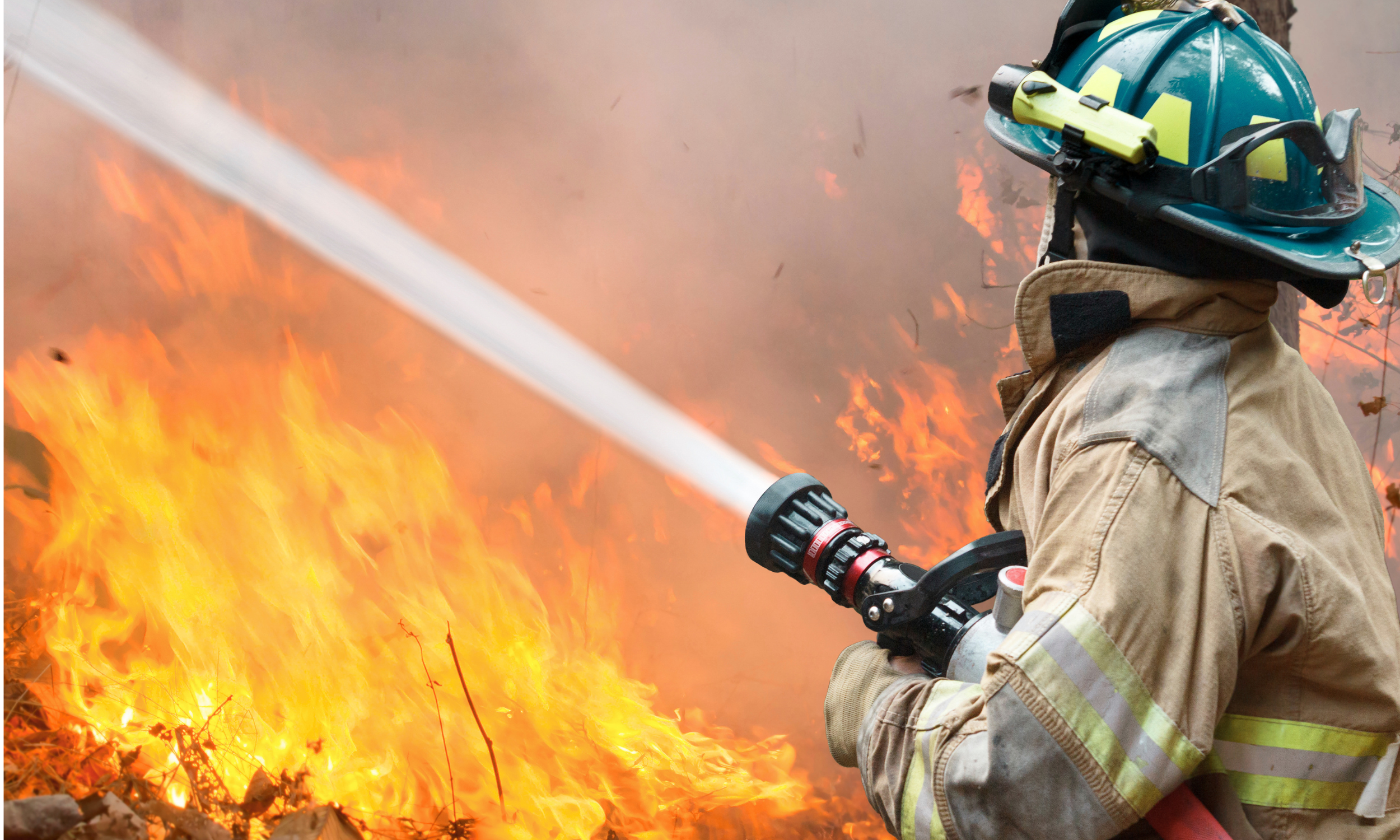
Firefighting Feels Productive But It's Expensive
Why Great Leaders Stop Solving Every Problem and Start Building Teams That Prevent Them
Running from one crisis to the next can start to feel like leadership.
The phone never stops ringing. Someone calls in sick. A project falls behind schedule. A customer is upset. Two employees are in conflict. Equipment breaks down. Deadlines are missed.
Every day feels urgent.
For many leaders, especially in construction, manufacturing, transportation, and operations, firefighting becomes the job. The problem is that when leaders spend all of their time putting out fires, they rarely have the opportunity to prevent them.
Eventually, the organization begins to depend on the leader's ability to solve problems instead of building the team's ability to solve them.
That's when firefighting becomes a leadership trap.
Firefighting Feels Productive, But It's Expensive
Many leaders wear their ability to "fix anything" as a badge of honor.
They're dependable.
They're experienced.
They're resourceful.
People naturally turn to them whenever something goes wrong.
At first, this feels rewarding.
But over time, something subtle happens.
“The more problems the leader solves personally, the fewer opportunities the team has to develop confidence, accountability, and independent thinking.”
Without realizing it, the leader becomes the bottleneck.
Instead of building leadership capacity, they build dependence.
Why Fires Keep Coming Back
Most workplace problems aren't isolated events.
They're symptoms.
Recurring issues often point to deeper leadership challenges such as:
Unclear expectations
Undefined accountability
Poor communication
Lack of confidence in decision-making
Employees who haven't been developed to solve problems independently
Leaders who rescue instead of coach
If leaders only solve the immediate issue, the root cause remains.
Eventually, the same fire returns, just wearing different clothes.
The Hidden Cost of Constant Firefighting
When leadership becomes reactive, organizations begin paying hidden costs that don't always appear on financial statements.
These include:
Decision fatigue
Leadership burnout
Slower problem-solving
Reduced employee confidence
Lower accountability
Frustrated teams waiting for approval
Leaders who never have time for strategic work
The organization survives, but it rarely grows.
What Strengths Reveal About Firefighting
One of the most powerful things strengths-based leadership teaches us is that leaders don't all respond to pressure the same way.
Some naturally jump into action.
Others gather information.
Some seek collaboration.
Others rely on structure and planning.
None of these approaches are wrong.
The challenge comes when leaders overuse their natural talents under pressure.
For example:
Leaders high in Responsibility
May take ownership for everyone's problems instead of helping others own theirs.
Leaders with Activator
Can move quickly to fix issues before fully involving the team.
Leaders with Achiever
Often work longer hours rather than addressing why the workload keeps increasing.
Leaders with Restorative
Love solving problems which can unintentionally encourage people to bring every problem to them.
Leaders with Harmony
May resolve conflict quickly without addressing the underlying issue that caused it.
Our greatest strengths can become our greatest blind spots when we operate on autopilot.
Moving From Firefighter to Builder
Strong leaders don't eliminate problems.
They build organizations that become better at solving them.
Instead of asking:
"How do I fix this?"
Ask:
Who needs to learn from this?
What system allowed this to happen?
What conversation have I been avoiding?
What capability needs to be developed?
How can I coach instead of rescue?
Every recurring problem is an opportunity to strengthen the organization.
Leadership Isn't Measured by How Many Fires You Put Out
It's measured by how many fires no longer happen because your people have grown.
The best leaders eventually become less busy, not because the work disappears, but because they've invested in developing capable people.
They create clarity.
They build trust.
They delegate authority.
They coach decision-making.
They strengthen accountability.
And over time, the organization becomes more resilient because leadership has been multiplied throughout the team.
Consider these questions
Take a few minutes to consider:
What problems seem to come back again and again?
Where have you become the default problem solver?
Which of your strengths naturally pull you into firefighting?
What conversations are you avoiding that could prevent future issues?
How could you spend more time developing people than rescuing them?
Small shifts today can prevent tomorrow's emergencies.
Leadership will always involve unexpected challenges. Emergencies happen, and great leaders know how to respond when they do.
But if every day feels like an emergency, it's worth asking a different question:
Are you leading the work or simply reacting to it?
The strongest organizations aren't built by leaders who solve every problem themselves. They're built by leaders who intentionally develop people, create accountability, and leverage individual strengths so the team becomes capable of preventing many of those problems before they ever begin.
At Foundation34, we help leaders move beyond constant firefighting by leveraging Strengths to build confident leaders, stronger teams, and healthier workplace cultures. Because sustainable leadership isn't about becoming a better firefighter, it's about building an organization that doesn't rely on one.