How to Hold People Accountable Without Losing Them
Accountability is one of the most avoided and misunderstood responsibilities in leadership.
And I hearthis all the time.
Leaders tell me:
“I don’t want to come across as too harsh.”
“They’re a strong performer, I don’t want to lose them.”
“I’ve already had the conversation… I don’t want to push it.”
So what happens?
Standards get watered down.
Expectations become optional.
And high performers quietly start carrying the weight for everyone else.
Here’s the truth:
“Avoiding accountability doesn’t protect your people.
It creates confusion, inconsistency, and eventually disengagement.”
The goal isn’t to hold people accountable harder.
It’s to hold them accountable better.
And that’s where strengths-based leadership changes everything.
Accountability Isn’t About Control.
It’s About Clarity.
Most accountability issues are not attitude problems.
They’re clarity problems.
When expectations are vague, people fill in the gaps, through their own lens, their own strengths, and their own assumptions.
A person with strong Activator may move fast and miss details.
Someone with Harmony may avoid conflict and not address issues directly.
A leader high in Achiever may assume everyone else operates with the same internal drive.
Without clarity, you don’t get accountability.
You get misalignment.
Practical shift:
✔️Define what success looks like in behavior, not just outcomes
✔️Be specific about “what good looks like”
✔️Remove assumptions, say it out loud
Separate the Person From the Behavior
One of the fastest ways to lose someone is to make accountability feel personal.
Strengths-based leadership doesn’t ignore performance issues, it reframes them.
Instead of:
“You’re not meeting expectations”
Shift to:
“Here’s where expectations aren’t being met and here’s what needs to change”
Then connect it back to who they are at their best.
If someone leads with Developer, focus on growth:
“You’re someone who develops people and potential, this is an opportunity to apply that to your own performance.”
If they lead with Responsibility, anchor ownership:
“You naturally take ownership. This is a moment to follow through on that strength.”
Practical shift:
✔️Address behavior directly
✔️Reinforce identity through strengths
✔️Make the path forward clear and achievable

Stop Lowering the Bar for High Performers
This is where culture quietly breaks.
High performers who create friction often get a pass because of results.
But the team is always watching.
When leaders tolerate behavior because “they’re valuable,” the message becomes:
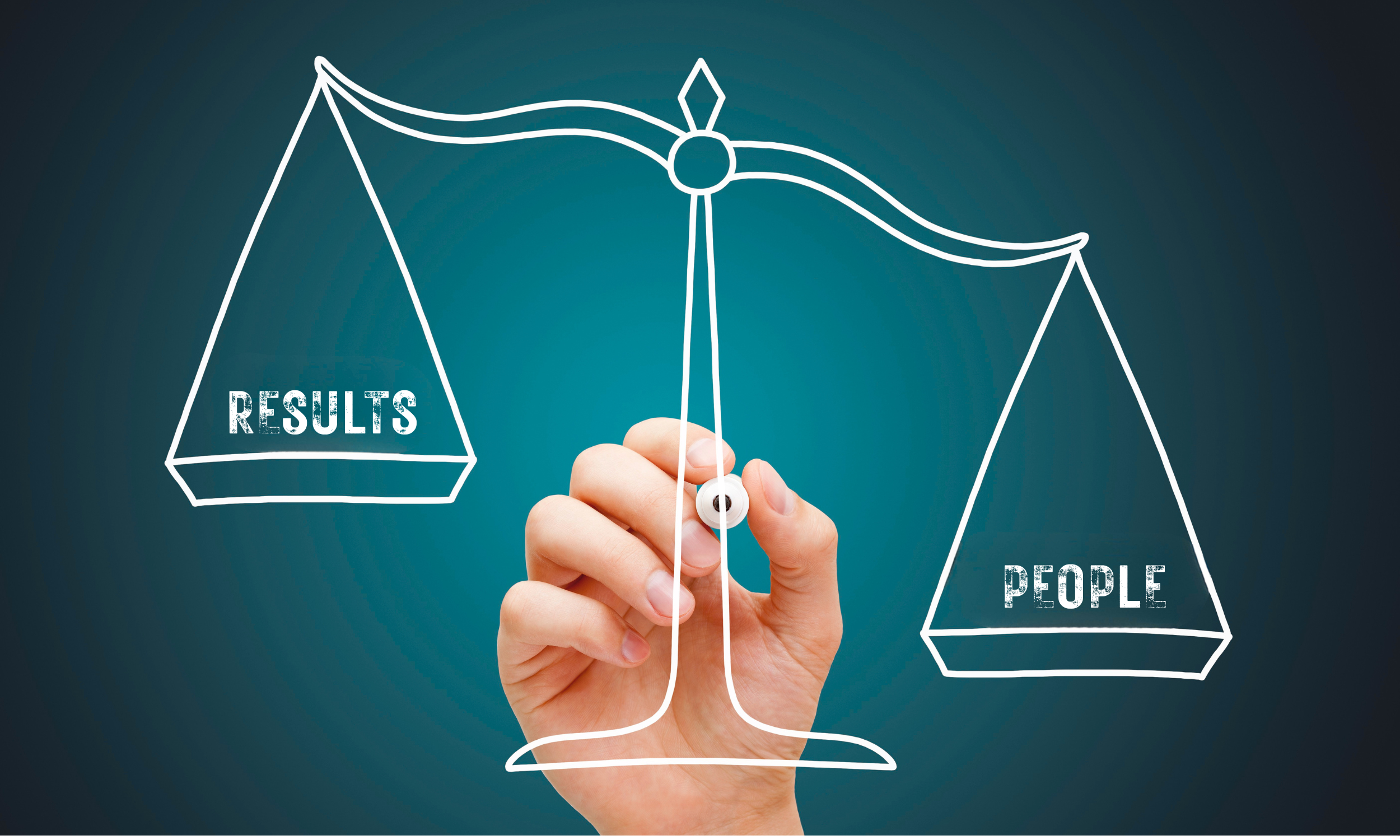
Results matter more than people.
And that erodes trust ….. fast.
Strengths-based leadership holds a different line:
Your talent is valued
Your impact on others matters just as much
Practical shift:
✔️Hold high performers to a higher standard, not a lower one
✔️Make team experience part of performance expectations
✔️Address tension early before it becomes culture
Make Accountability a Normal Conversation.
Not a Big Event.
If accountability only shows up when something goes wrong, it will always feel heavy.
The best leaders normalize it.
They don’t save feedback for performance reviews or “serious talks.”
They build it into everyday leadership.
Quick, clear, consistent.
🎯“Here’s what worked.”
🎯“Here’s what needs to adjust.”
🎯“Here’s what I’m expecting moving forward.”
No drama. No delay.
Practical shift:
✔️Address issues in real time
✔️Keep conversations short and specific
✔️Follow up—consistency builds credibility
Know What You’re Really Protecting
When leaders avoid accountability, they think they’re protecting:
⚠️The relationship
⚠️The employee
⚠️The team dynamic
But in reality, they’re protecting their own discomfort.
Strong leadership requires the willingness to have conversations that create clarity, even when they’re uncomfortable.
Because what you don’t address doesn’t disappear.
It spreads.
Strengths-Based Accountability in Action
“At its best, accountability is not about catching people doing something wrong.
It’s about helping people succeed, consistently.”
That means:
✔️Knowing how each person naturally operates
✔️Setting expectations that align with both performance and strengths
✔️Coaching them to show up at their best, especially under pressure
If you want a high-performing, healthy team, you don’t get to choose between results and relationships.
You need both.
Clear expectations.
Consistent accountability.
Strengths-based leadership.
That’s what keeps your people and elevates their performance.
If this conversation is hitting close to home, it’s time to address it, before it starts impacting your team’s performance and culture.
At Foundation 34, we work with leaders and organizations to build clear expectations, strengthen accountability, and develop high-performing teams through a strengths-based approach.
If you're ready to lead with more clarity and consistency, let’s connect.
Visit our website or reach out directly to start the conversation.