Why Being Human Is the Future of Leadership
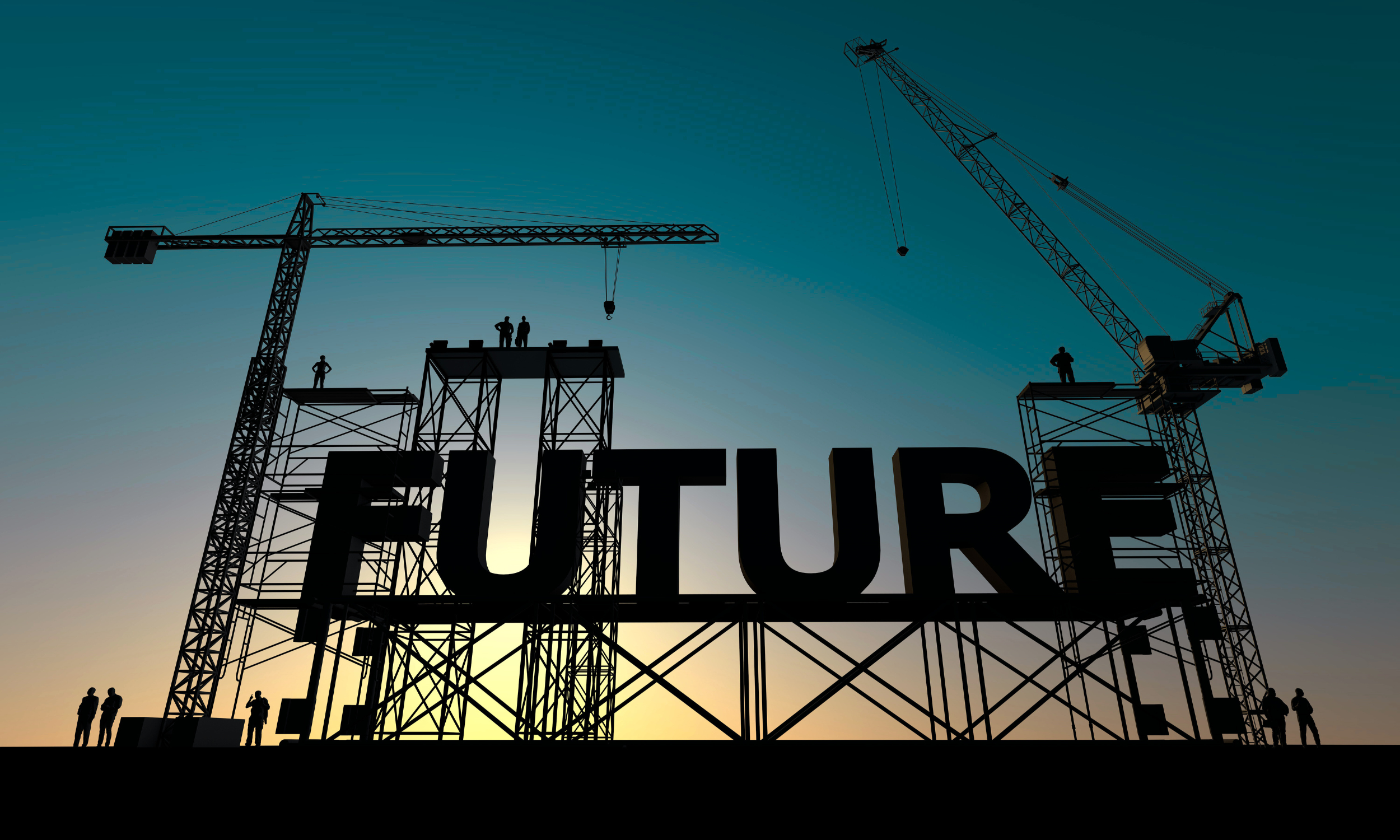
And why strengths-based leadership is no longer optional
For years, leadership was measured by control, authority, and output. Titles mattered. Presence mattered. Power mattered.
That model is outdated.
The future of leadership belongs to leaders who know how to be human!
Grounded, self-aware, emotionally intelligent, and real. Not soft. Not passive. HUMAN!
Organizations don’t need more polished leaders.
They need leaders who can connect, adapt, listen, and lead people through complexity without losing themselves or their people in the process.
“Being Human is No Longer a “Nice to Have”! It is a Leadership Advantage!”
What “Being Human” at Work Actually Means
Let’s be clear!
Being human is NOT about lowering standards or avoiding accountability.
It means:
Understanding yourself before trying to manage others
Leading with clarity instead of control
Recognizing people as individuals, not resources
Responding thoughtfully instead of reacting emotionally
Creating environments where people can do their best work. Consistently

Human leadership is rooted in
self-awareness , trust , and
strength-based alignment.
And that’s where strengths matter.
Strengths-Based Leadership Is Human Leadership
Strengths-based leadership starts with a simple truth:
People are not wired the same and they shouldn’t be treated that way.
When leaders understand their own strengths:
They stop trying to lead like someone else
They become more confident and consistent
They communicate with clarity
They manage pressure more effectively
When leaders understand the strengths of others:
Expectations become clearer
Collaboration improves
Frustration decreases
Engagement increases
This is human leadership in action! Meeting people where they are, not where the leader assumes they should be.
What Happens When Leaders Ignore the Human Side
When leaders operate disconnected from themselves and others, you see it quickly:
Burnout disguised as “high performance”
Micromanagement driven by insecurity
Silence instead of trust
Resistance instead of commitment
Disengagement that no amount of perks can fix
“No policy, platform, or performance system can compensate for leadership that lacks humanity!”
People don’t leave organizations.
They leave environments where they don’t feel understood, valued, or supported.
Strengths Bring Humanity Into Daily Leadership
Strengths don’t just describe talent, they explain how people think, decide, communicate, and respond under pressure.
A leader with strong Strategic sees patterns and anticipates risk.
A leader with Relator builds trust through depth and loyalty.
A leader with Activator creates momentum and action.
A leader with Empathy senses what others may not say out loud.
A leader with Responsibility follows through, every time.
None of these are better than the other.
They are different, and difference is the point.
Human leadership happens when leaders stop judging differences and start leveraging them.
The Role of the Leader Has Changed
Today’s leaders are navigating:
Constant change
Increased mental and emotional strain on teams
Higher expectations with fewer resources
A workforce demanding meaning, not just money
This requires more than technical skill.
It requires emotional maturity, self-regulation, and strengths fluency.
Leaders who understand their strengths:
Know what energizes them and what drains them
Can ask for support without shame
Lead with confidence instead of comparison
Create clarity in uncertainty
That’s not weakness.
That’s leadership discipline.
Being Human Creates Stronger Results
Human leadership isn’t opposed to performance. It fuels it!
When people:
Feel seen
Know what’s expected
Are allowed to work from their strengths
Trust their leader
They don’t just comply.
They commit.
Strengths-based, human leadership creates:
Higher engagement
Better decision-making
Stronger collaboration
Reduced burnout
Sustainable performance
This is how leaders build cultures that last.
The Future Is Clear
“The future of leadership isn’t louder! It isn’t tougher! It isn’t more transactional!
It’s more human!”
Leaders who are willing to understand themselves, lead with their strengths, and create space for others to do the same will be the ones people choose to follow.
Not because they have to.
Because they want to.
A Final Reflection for Leaders
If you want to future-proof your leadership, ask yourself:
Do I know my strengths and how they show up under pressure?
Do I allow others to lead from their strengths?
Do people experience me as real, clear, and consistent?
“Being human isn’t the future of leadership because it feels good.
It’s the future because it works.”
If you’re ready to lead with clarity, confidence, and humanity, strengths are the place to start.
If you’re serious about leading in a way that actually works, not just today, but in the future, it starts with understanding your strengths and learning how to lead others through theirs.
Stop trying to lead like someone else.
Start leading with what’s real and who you are meant to be!
👉 Explore how a strengths-based, human approach to leadership can elevate performance, reduce burnout, and build trust that lasts.
Connect with us at Foundation 34 to begin building leadership that is confident, clear, and unmistakably human.